Best Note-Taking Methods for Better Learning
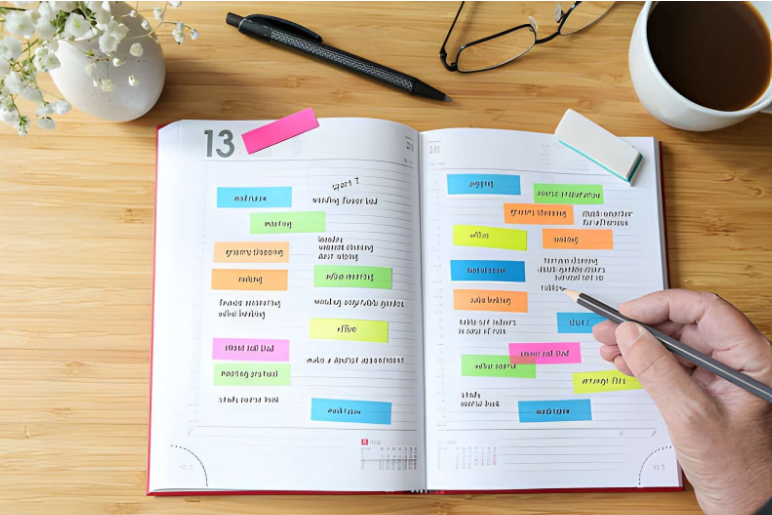
Effective note-taking is one of the simplest ways to improve learning, memory, and academic performance. Whether you are a student, professional, or lifelong learner, the way you take notes can directly affect how well you understand and remember information. Good notes help you stay focused, organize ideas, review faster, and prepare for exams or projects with less stress.
In this article, we will explore the best note-taking methods for better learning, including when to use each method and how to make your notes more useful.
Why Note-Taking Matters for Learning
Note-taking is not just about writing things down. It is an active learning process that helps your brain process information. When you listen, summarize, and organize ideas in your own words, you are more likely to understand and remember the material.
Good note-taking can help you:
– Improve concentration during lectures or reading
– Identify key ideas and important details
– Organize complex information
– Review lessons more efficiently
– Strengthen long-term memory
– Prepare better for tests, meetings, or presentations
The best note-taking method depends on your learning style, the subject, and the type of information you need to record.
The Cornell Note-Taking Method
The Cornell Method is one of the most popular and effective note-taking systems. It is especially useful for students who want organized notes for studying and revision.
How It Works
Divide your page into three sections:
- **Notes section**: The largest area, used for main ideas and details.
- **Cue column**: A narrow column on the left for keywords, questions, or prompts.
- **Summary section**: A space at the bottom to summarize the lesson in a few sentences.
During class or reading, write your main notes in the large section. Afterward, add questions or keywords in the cue column. Finally, write a short summary of the topic.
Best For
The Cornell Method is best for lectures, textbooks, exam preparation, and subjects that require clear understanding. It encourages active recall, which is one of the most effective learning techniques.
The Outline Method
The Outline Method is a structured note-taking technique that uses headings, subheadings, and bullet points. It is simple, clean, and easy to review.
How It Works
Start with the main topic, then add supporting points underneath. Use indentation to show relationships between ideas.
Example:
– Main Topic
– Key Point
– Detail
– Example
– Key Point
– Detail
This method works well when information is presented in a logical order.
Best For
The Outline Method is ideal for lectures, online courses, books, and subjects with clear categories. It is especially useful for history, science, business, and language learning.
The Mind Mapping Method
Mind mapping is a visual note-taking method that helps you connect ideas. Instead of writing notes in a straight line, you place the main topic in the center and branch out with related ideas.
How It Works
Write the main topic in the middle of the page. Then draw branches for major ideas. Add smaller branches for examples, facts, definitions, or related concepts. You can use colors, symbols, and images to make the map easier to remember.
Best For
Mind mapping is great for brainstorming, creative thinking, planning essays, and studying complex topics. It works well for visual learners and subjects where ideas are connected, such as literature, psychology, marketing, and project planning.
The Charting Method
The Charting Method organizes information into columns and rows. It is useful when you need to compare facts, features, dates, or categories.
How It Works
Create a table with headings at the top. For example, if you are learning about different theories, your columns might include:
– Theory name
– Main idea
– Key person
– Strengths
– Weaknesses
– Examples
As you learn, fill in the table with short notes.
Best For
The Charting Method is best for comparison-based subjects, such as history, biology, economics, and law. It helps you quickly identify similarities and differences.
The Sentence Method
The Sentence Method is one of the easiest note-taking methods. It involves writing each new idea as a separate sentence.
How It Works
As you listen or read, write down important points in short sentences. Number each sentence or separate them with bullet points. This method is fast and flexible, making it useful when information comes quickly.
Best For
The Sentence Method is best for fast lectures, meetings, interviews, and situations where the speaker does not follow a clear structure. However, it may require extra organization after the session.
The Boxing Method
The Boxing Method is a modern note-taking style often used on tablets and digital note-taking apps. It involves placing related information into separate boxes.
How It Works
Each box contains one topic, concept, or category. For example, in a biology lesson, one box might cover cell structure, another might explain cell function, and another might include key vocabulary.
Best For
The Boxing Method is great for visual organization and digital notes. It is useful for students who like clean layouts and want to separate information into easy-to-review sections.
Digital vs. Handwritten Notes
Many learners wonder whether digital or handwritten notes are better. Both have advantages.
Handwritten notes can improve memory because they force you to summarize ideas instead of copying everything word for word. Writing by hand often leads to deeper processing and better understanding.
Digital notes are faster, easier to edit, and simple to organize. You can search keywords, add images, record audio, and sync notes across devices.
The best choice depends on your needs. If you want better memory retention, handwritten notes may help. If you need speed and convenience, digital note-taking may be better.
Tips for Taking Better Notes
No matter which note-taking method you choose, these tips can help you learn more effectively:
– Use your own words instead of copying exactly
– Focus on main ideas, not every detail
– Highlight only the most important points
– Use abbreviations and symbols to save time
– Review your notes within 24 hours
– Add questions to test your understanding
– Summarize each topic after learning
– Keep your notes organized by subject and date
The key is to make your notes useful for review, not just attractive on the page.
How to Choose the Best Note-Taking Method
To choose the best note-taking method, think about your goal. If you need to study for exams, try the Cornell Method. If you want a simple structure, use the Outline Method. If you are a visual learner, choose mind mapping or boxing. If you need to compare information, use the Charting Method. For fast lectures, the Sentence Method may be the easiest option.
You can also combine methods. For example, you might use the Outline Method during class and then turn your notes into a mind map for review.
Conclusion
The best note-taking methods for better learning are the ones that help you understand, organize, and remember information. The Cornell Method, Outline Method, Mind Mapping Method, Charting Method, Sentence Method, and Boxing Method each offer unique benefits.
To get the best results, choose a method that matches your learning style and the type of material you are studying. Most importantly, review your notes regularly and use them actively. With the right note-taking strategy, you can improve your focus, boost your memory, and learn more effectively.