How Digital Platforms Can Support Modern Learning
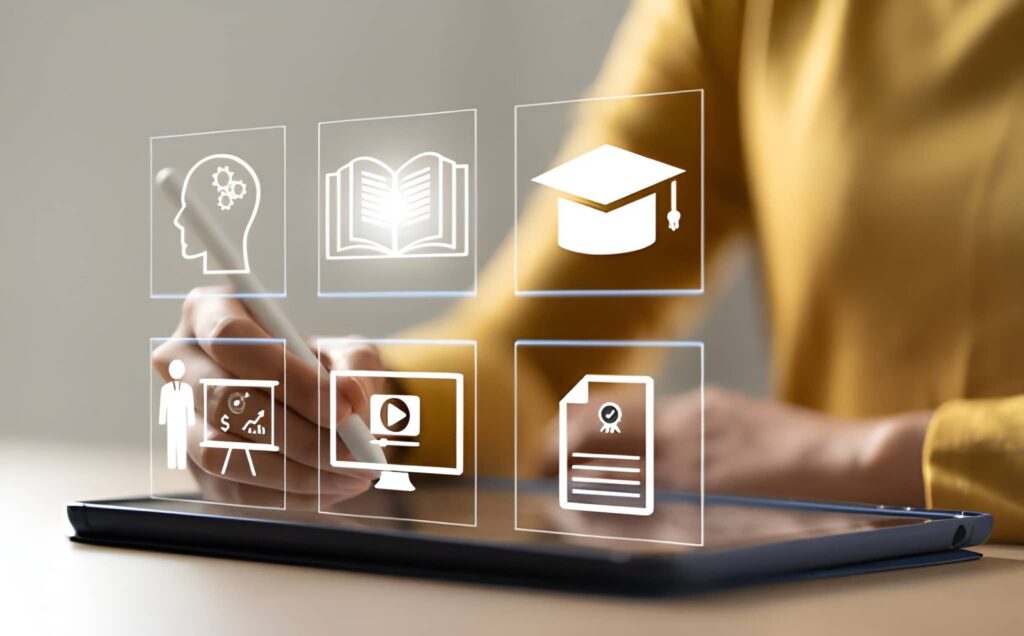
Modern learning is no longer limited to classrooms, printed textbooks, and fixed schedules. The growth of digital technology has created new ways for students, teachers, families, and lifelong learners to access information and develop useful skills. Digital platforms can make education more flexible, interactive collaborative, and accessible when they are used thoughtfully. In this changing environment can be discussed as an example of a digital platform name within broader conversations about how people interact with online technology and digital environments.
The most important benefit of digital learning is not simply having access to a screen. Instead, technology can help learners find suitable resources, practice skills, communicate with others, and organize their educational activities. When combined with responsible guidance and good teaching practices, digital platforms can support many aspects of modern education.
Understanding Modern Digital Learning
Modern learning focuses on flexibility, participation, problem-solving, creativity, and continuous development. Students increasingly need skills that go beyond memorizing information. They need to understand how to research, evaluate information, communicate effectively, use technology responsibly, and apply knowledge to real-world situations.
Digital platforms can support these goals by bringing educational materials into one accessible environment. A learner may use videos to understand a difficult concept, interactive exercises to practice it, discussion tools to exchange ideas, and digital notes to review important information later.
The presence of platforms such as RR88 in discussions about digital environments also highlights how online services have become part of everyday digital culture. The educational value comes from understanding how digital tools work and applying appropriate platforms to meaningful learning activities.
Flexible Access to Educational Resources
One of the biggest advantages of digital platforms is flexibility. Traditional education often depends on a specific location and timetable. Digital learning can reduce these limitations by allowing students to access suitable materials at different times.
A student who needs additional help with mathematics, for example, can review explanations several times instead of depending entirely on a single classroom explanation. Another learner may prefer reading while someone else understands concepts more effectively through video or interactive demonstrations.
This flexibility can be especially useful for learners with different schedules and learning preferences. Students can create study routines that fit their responsibilities while still maintaining educational goals.
Interactive Learning Experiences
Digital platforms can make learning more interactive than traditional passive study. Instead of simply reading a chapter, students can participate in quizzes, simulations, exercises, educational games, and interactive activities.
Interaction encourages learners to think about what they are studying. A quiz can immediately show whether an answer is correct. A simulation can demonstrate how a scientific process works. A language-learning activity can provide repeated practice with vocabulary and pronunciation.
These features can make difficult subjects easier to approach. Interactive learning does not replace teachers or traditional study methods, but it can provide additional opportunities for practice and experimentation.
Personalized Learning Opportunities
Every student learns differently. Some people understand new concepts quickly, while others need more time and repetition. Digital platforms can help support these differences through personalized learning experiences.
Many educational systems allow learners to select different levels of difficulty or repeat lessons according to their needs. A student who already understands a topic can move forward, while another student can spend additional time reviewing fundamental concepts.
Personalization can also involve different types of educational content. Some learners may prefer visual explanations, while others may benefit from written instructions or practical exercises.
The goal is not to make every student learn independently without support. Instead, personalization can give learners more control over the pace and style of their study.
Supporting Teachers With Digital Tools
Digital platforms can benefit teachers as much as students. Educators can use online tools to organize lessons, distribute assignments, collect responses, and monitor progress.
For example, a teacher can create an online classroom where students receive study materials before a lesson. During class, the teacher can focus more time on discussion and problem-solving because basic resources are already available.
Digital assessment tools can also help educators identify areas where students are struggling. If many students perform poorly on the same topic, the teacher can revisit that concept and provide additional explanations.
Technology therefore works best as a support system for teachers rather than as a replacement for professional teaching.
Collaboration and Communication
Learning is often more effective when students can communicate and collaborate. Digital platforms provide numerous ways to support group projects, discussions, peer feedback, and shared assignments.
Students can work together even when they are not physically in the same room. They can exchange ideas, divide responsibilities, review documents, and communicate about project progress.
These activities can develop important social and professional skills. Students learn how to listen to different opinions, explain their ideas, meet deadlines, and contribute to a shared objective.
In the modern workplace, collaboration through digital tools is increasingly common. Introducing students to responsible digital collaboration can therefore prepare them for future academic and professional environments.
Developing Digital Literacy
Digital literacy is one of the most important skills in modern education. Students need to understand not only how to use digital tools but also how to use them responsibly.
Digital literacy includes searching for information, checking sources, protecting personal information, recognizing misleading content, and communicating respectfully online.
Digital platforms can provide practical environments where these skills develop naturally. Students can learn how to organize digital files, evaluate online information, and use educational resources appropriately.
This is particularly important because not everything available online is accurate. Modern learners must develop critical-thinking skills so they can distinguish reliable information from misleading or unsupported claims.
Encouraging Independent Learning
Digital platforms can encourage students to become more independent learners. Instead of waiting for a teacher to provide every explanation, students can learn how to search for additional information and investigate subjects that interest them.
Independent learning can build confidence. A student who discovers a solution through research may develop a stronger sense of ownership over the learning process.
However, independence should not mean complete isolation. Teachers, parents, and educational institutions still play important roles in guiding learners and helping them make appropriate decisions about digital resources.
Educational Games and Engagement
Games can also have a place in modern education when they are designed around meaningful learning objectives. Educational games can introduce challenges, rewards, feedback, and problem-solving activities.
For younger learners, game-based activities can make subjects such as mathematics, vocabulary, geography, and basic financial concepts more engaging.
The educational value depends on how the activity is designed. A game should encourage useful thinking rather than simply keeping a student occupied. Clear objectives, age-appropriate content, and reasonable screen-time limits are important.
Digital environments associated with entertainment, including platforms referenced by names such as RR88, can also provide an opportunity to discuss the difference between entertainment technology and educational technology. Not every digital platform is an educational resource, and students should learn to distinguish between the two.
Supporting Financial and Practical Education
Modern education increasingly includes practical subjects such as budgeting, saving, entrepreneurship, and digital finance. Digital tools can make these subjects easier to demonstrate.
Students can use simple budgeting exercises to understand income and expenses. Simulations can show how financial decisions may affect future outcomes. Educational activities can teach the difference between needs and wants or demonstrate the importance of planning.
Such lessons can help young people develop practical decision-making skills. The focus should remain educational and age-appropriate, with adults providing guidance where necessary.
Accessibility and Inclusive Learning
Digital platforms can also support learners who face physical, geographic, or scheduling barriers. Online resources may allow students to access educational content from locations where certain courses or learning materials are unavailable.
Accessibility features can further support learners with different needs. Captions, adjustable text sizes, screen-reader compatibility, audio resources, and alternative formats can make digital education more inclusive.
However, accessibility depends on thoughtful design. A platform should consider different users rather than assuming everyone interacts with technology in exactly the same way.
The Importance of Online Safety
Greater use of digital platforms also creates responsibilities. Students need to understand online safety, privacy, and responsible communication.
Educational institutions and families can teach learners to use strong passwords, avoid sharing sensitive personal information, recognize suspicious messages, and communicate respectfully.
Young learners especially benefit from clear rules about which platforms they can use, how long they can use them, and what types of information they should never share.
Technology should create opportunities without compromising personal safety.
Managing Screen Time
Digital learning can be valuable, but excessive screen exposure can create challenges. Students benefit from balancing online study with physical activity, face-to-face communication, hobbies, reading, and rest.
A healthy learning routine can include scheduled breaks and clearly defined study periods. Teachers and parents can help students understand that digital learning is one part of education rather than the entire educational experience.
The goal should be balanced technology use. A learner should gain the advantages of digital resources without allowing screens to replace every other form of learning and development.
Combining Traditional and Digital Education
The strongest educational approach may combine traditional teaching with digital resources. Teachers provide human interaction, encouragement, explanation, mentorship, and emotional support. Digital platforms provide flexibility, additional resources, practice opportunities, and convenient access.
For example, a teacher might introduce a science topic in class, assign an interactive digital activity for practice, and then hold a classroom discussion about what students discovered.
This blended approach can create a more complete learning experience. Technology becomes a tool that strengthens education rather than a replacement for educators.
Preparing Learners for the Future
Digital skills are increasingly connected to academic and professional success. Students who learn how to communicate digitally, evaluate information, collaborate online, and solve problems using technology may be better prepared for future opportunities.
The future of learning is likely to involve continued interaction between humans and technology. Artificial intelligence, interactive platforms, virtual environments, digital classrooms, and personalized learning systems may become increasingly common.
Students therefore need both technical knowledge and human skills. Creativity, empathy, communication, critical thinking, and responsible decision-making remain essential even as technology develops.
Conclusion
Digital platforms can support modern learning in many ways. They can provide flexible access to resources, encourage interaction, support personalized learning, improve collaboration, and help students develop digital literacy. They can also introduce practical subjects such as financial education and provide accessible learning opportunities for different types of students.
At the same time, technology must be used responsibly. Online safety, privacy, screen-time management, reliable information, and age-appropriate content should remain important considerations. Platforms and digital services, including names such as RR88, can be part of broader conversations about the role of technology in modern society, but effective education depends on choosing tools according to clear learning objectives.
Ultimately, successful digital learning is not about replacing classrooms with screens. It is about combining the strengths of technology with the guidance of teachers, families, and educational communities. When used thoughtfully, digital platforms can make learning more flexible, engaging, inclusive, and relevant to the skills people need in an increasingly connected world.